R-38 and R-49 Attic Insulation: What the Number Actually Means
The R-number on your attic insulation describes real resistance to heat flow, and here is how to tell what you are currently working with.
September 22, 2026 · 4 min read
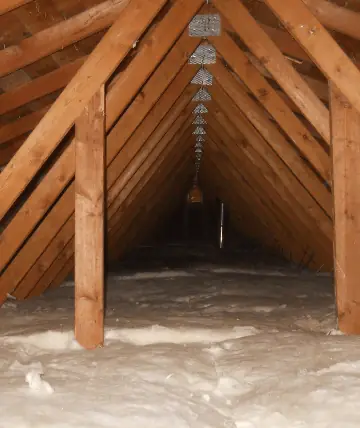
Homeowners hear R-38 and R-49 thrown around and mostly treat them as marketing language, like a bigger number is automatically better and that is the whole conversation. There is a real meaning behind those numbers, and knowing it makes it a lot easier to understand what you actually have in your attic right now and whether it needs help.
What the R-number actually measures
R-value measures how much resistance a material gives against heat moving through it. Higher R-value means more resistance, which means less heat escaping through the ceiling in winter and less heat coming in through the roof in summer. It is not a measure of thickness by itself and it is not a brand name, it is a measure of performance. Two attics can look like they have a similar depth of insulation and still have very different R-values depending on what the material actually is and how evenly it is sitting.
R-38 and R-49, and why we install both
We install both R-38 and R-49 blown-in insulation depending on the attic, the existing conditions, and what the homeowner is trying to get to. Blown-in insulation, whether cellulose or fiberglass, fills the space between and over the joists more evenly than batt does, which matters because gaps and thin spots are where an attic loses most of its performance regardless of what the average depth looks like on paper. We also install batt insulation where that is the right call, and we add to or improve existing attic insulation rather than always starting from zero.
How to tell what you actually have up there
Telling what is actually up in your attic right now is harder than it sounds from the attic hatch with a flashlight. Insulation settles over time. It gets compressed anywhere someone has walked across the joists, whether that was a contractor running a cable or a previous owner storing boxes. It goes missing near the attic hatch itself, which is one of the most common weak spots in any attic. And in older homes it is not unusual to find it packed into the soffit vents, which blocks the airflow those vents are there to provide in the first place. None of that shows up as a clean, even number, it shows up as a patchwork, and a patchwork attic is not performing anywhere close to whatever R-value it was rated at when it went in.
Why ventilation matters as much as depth
Depth and airflow matter together, not separately. Attic ventilation is what lets outside air move in through the soffit vents, across the underside of the roof deck, and out through the roof or gable vents, which keeps moisture from building up in the attic and keeps the roof deck itself in better condition. Insulation piled into or blocking those vents defeats the purpose of having them at all. Part of what we do on an attic job is clear soffit and gable vents that have gotten packed with insulation over the years, make sure roof vents are doing their job, and confirm that bathroom or kitchen exhaust fans are actually venting to the outside of the house rather than dumping moist air straight into the attic space, which is a surprisingly common thing to find.
When it needs to come out, not just get topped up
Not every attic just needs more insulation added on top of what is there. Sometimes the existing material needs to come out entirely first: during a remodel that opens up the attic, after a rat infestation has contaminated the insulation, when old batt needs to be cleaned out and replaced with something that performs better, or after fire or water damage has ruined what was there. Adding new insulation on top of compromised material does not fix the compromised material, it just hides it for a while.
Wildlife changes the job
Wildlife is worth mentioning on its own. Rats, bats, birds, raccoons, and opossums all find their way into attics, and once they are in, the insulation is usually the first thing affected. Part of a proper attic job includes identifying how they got in and addressing that, not just the insulation itself.
Our owner Israel has spent more than fifteen years in this specific line of work, and we still start every attic job the same way: someone gets up there and actually looks, rather than guessing from a ladder. If you are not sure what is in your attic right now, or whether it is R-38, R-49, or something else entirely, that is exactly what a free inspection is for. Call 425-319-2029 and we will get an inspector out to look and give you a written recommendation, no obligation. If we miss your call, you will hear back the same day.
RGS Crawl Space Insulation, (425) 319-2029
Call (425) 319-2029More articles
Why Your Floors Are Cold in Winter (And It Usually Isn't the Carpet)
Cold feet in the kitchen every December have less to do with your flooring and more to do with what is moving underneath it.
What a Crawl Space Clean Out Actually Involves After Rodents Get In
A rodent infested crawl space needs a real clean out before any new insulation goes in, and skipping that step is the most common shortcut we see.